

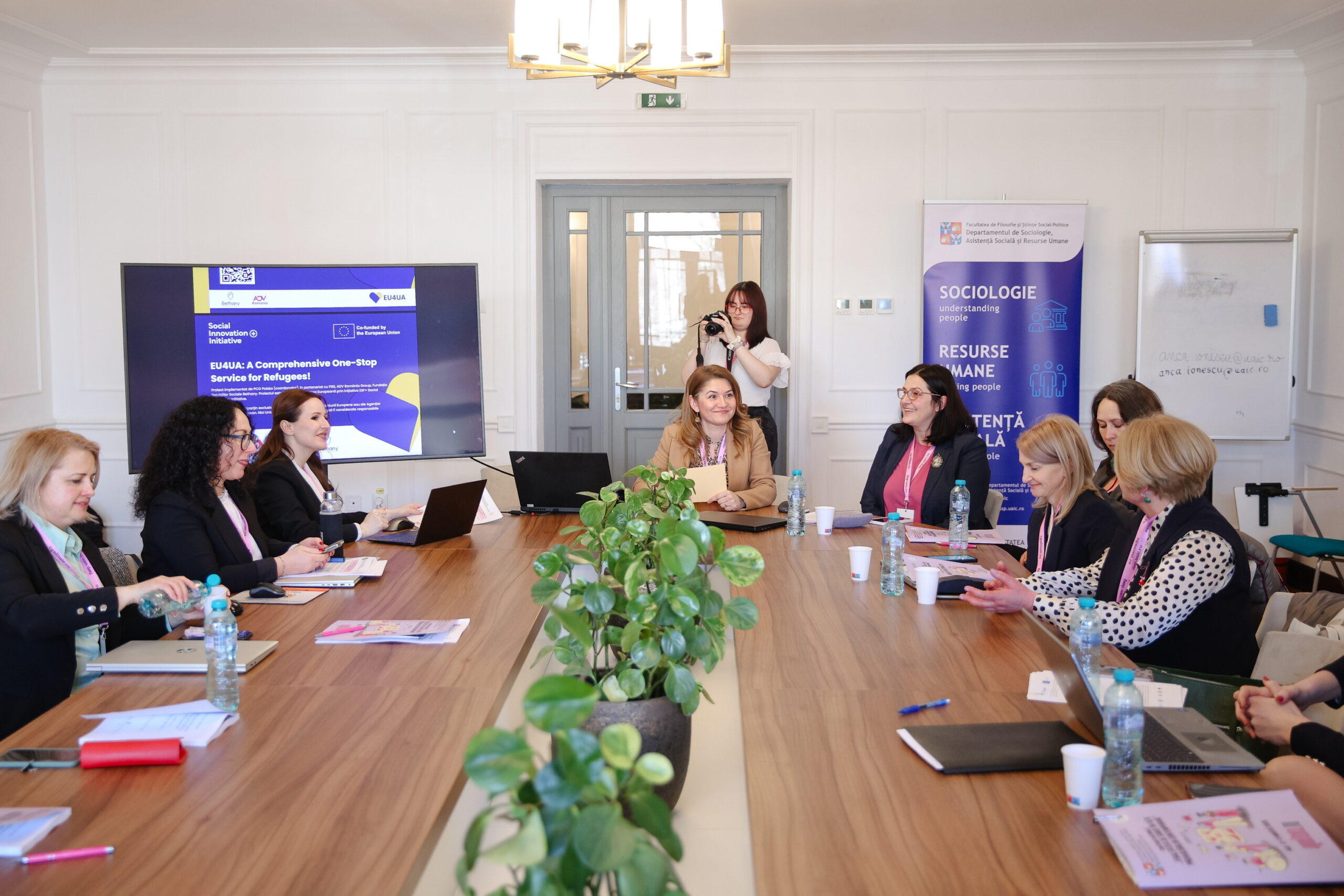
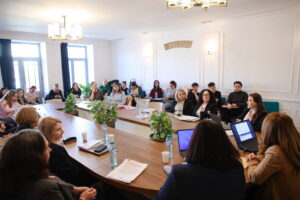
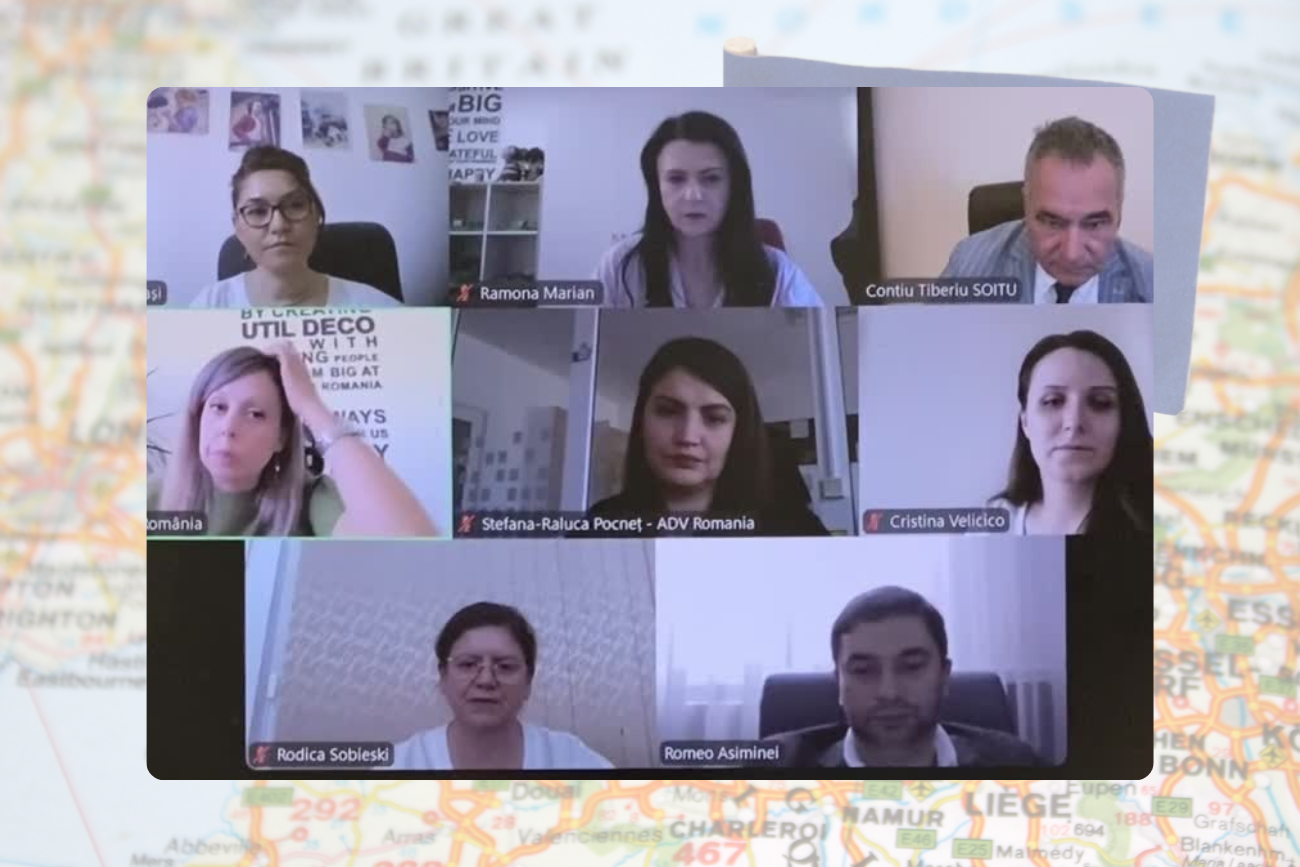
The first results of the research carried out within the EU4UA project were presented in Iași on 12 March 2026, during the National Conference Equality of opportunity in the face of contemporary challenges, 2nd edition. The presentation shared preliminary findings on how Ukrainian refugees access social services and navigate social integration in Romania and Poland, offering an early evidence base for the blueprint that will be developed in the project.
The paper, titled Equitable access to social services and social integration: international support models for vulnerable groups, is based on research conducted within EU4UA and examines how social services can better support people in vulnerable situations, with a special focus on Ukrainian refugees. It takes a comparative look at Romania and Poland to better understand how institutional organisation and coordination shape real access to services and the effectiveness of social interventions.
This makes the presentation especially important for the project. The research is not a stand-alone academic exercise. Within EU4UA, the research report is a key step that will inform the development of the project blueprint, an integrated, adaptable, evidence-based tool designed to support the social and labour market integration of Ukrainian refugees. The blueprint will then be piloted, evaluated, and disseminated to relevant stakeholders at national and European level.
The research explored several essential questions. It looked at which services are most frequently used by refugees, what barriers they face when trying to access them, what role public institutions and civil society organisations play in providing support, and how coordination between different actors affects access to services. It also aimed to identify models and practices that can contribute to more integrated and more effective support mechanisms.
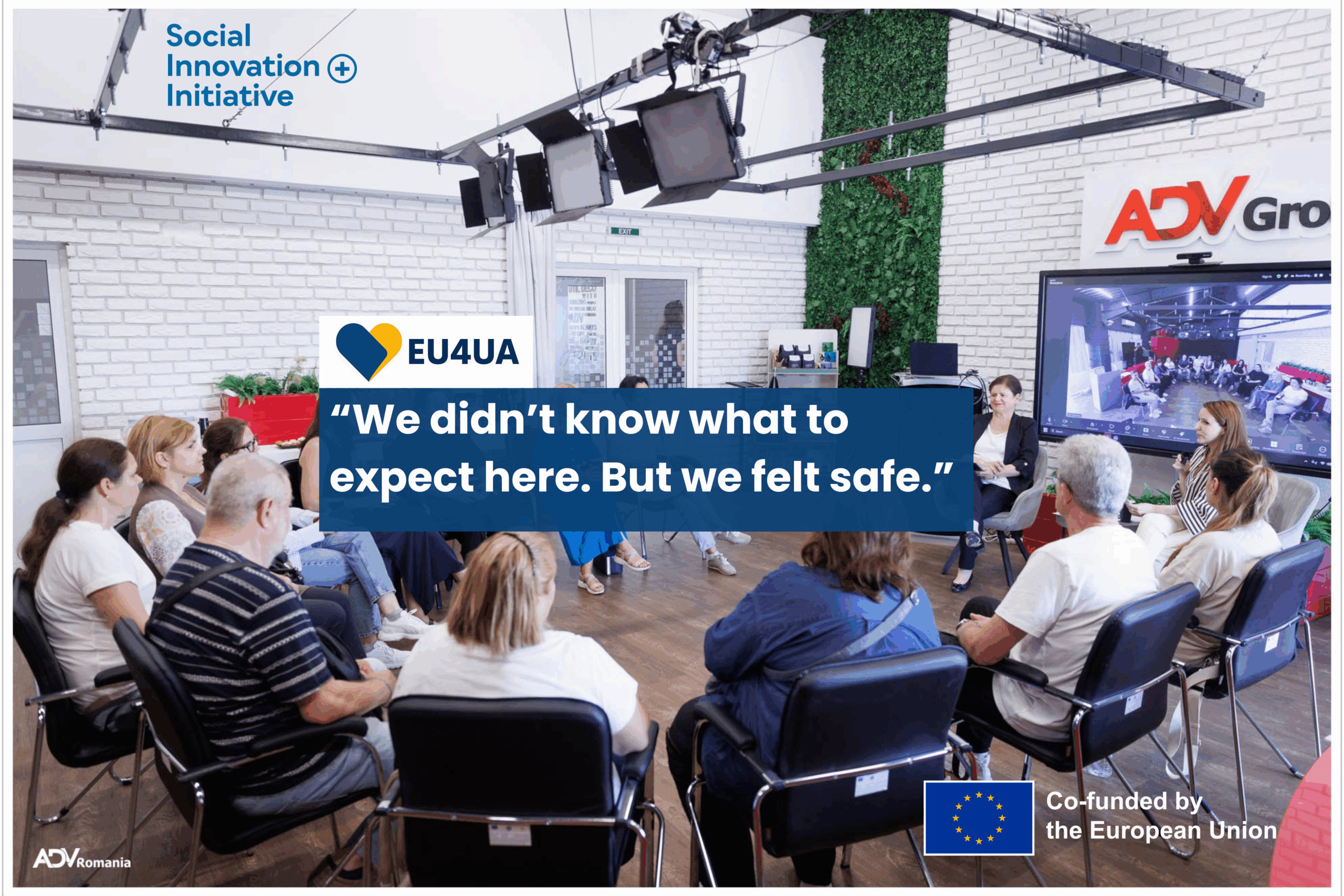
The methodology combined quantitative and qualitative research tools. The study included survey responses from 238 Ukrainian refugees in Romania and Poland, 21 semi-structured interviews with service providers from public institutions and non-governmental organisations, and four focus groups with Ukrainian refugees. This mixed approach made it possible to analyse both lived experiences and the way support systems function in practice.
The first results show that access to social services is strongly influenced by institutional factors such as coordination between institutions, access to information, and the ability of services to respond to beneficiaries’ specific needs.
At the same time, the research highlights that institutional fragmentation and the lack of integrated service delivery mechanisms can create major barriers to access and can negatively affect social integration processes.
In this sense, the presentation in Iași had a double value. On one hand, it brought an urgent and relevant topic into an academic setting, linking equality of opportunity with institutional responses in times of crisis. On the other hand, it marked an important milestone for EU4UA by sharing the first research results that will help shape the final blueprint.
EU4UA aims to develop, test, and promote an integrated support model for refugees, built on research, collaboration between partners, and feedback from the field. From this perspective, presenting the preliminary findings at the conference in Iași shows that the project is moving forward toward one of its most important goals: creating a practical, replicable tool grounded in the real experiences of those who provide support and those who need it.

Leave A Comment